 Hotline: +84 866 227 878
- SG$ Singapore Dollar
- A$ Australian Dollar
- £ British Pound Sterling
- C$ Canadian Dollar
- € Euro
- MYR Ringgit Malaysia
- US$ United States Dollar
- đ Vietnamese Dong


 Hotline/Whatsapp: +84 86 622 7878
 Email: sales@asiamystika.com
 About Us
 Destinations
 Travel Styles
 Travel Guide
 Blogs
Blogs
 News
News

Planning your journey from China to Vietnam? Discover the best transportation Kunming to Sapa, including high-speed trains, border crossing tips, cheap travel routes, and how to reach Vietnam’s mountain town smoothly.
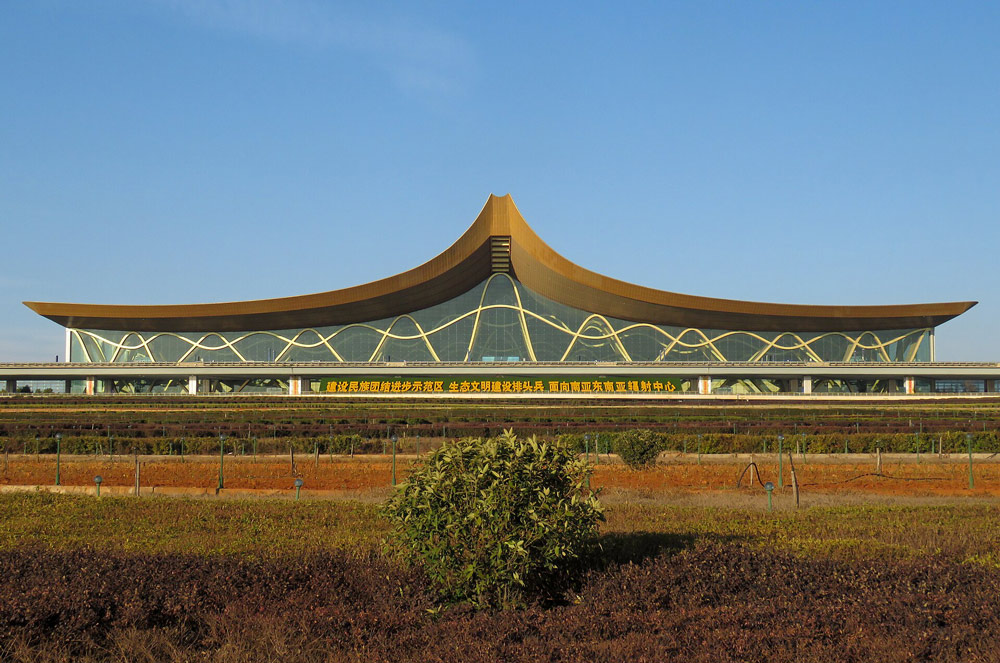
Traveling overland from Kunming, the “Spring City” of Yunnan, China, to the mist-shrouded emerald rice terraces of Sapa, Vietnam, is one of the most exciting cross-border journeys in Southeast Asia.
It is not just a transfer. It is a full travel experience.
You begin in a modern Chinese city known for mild weather, parks, noodles, and access to Yunnan’s mountain landscapes. Then you ride south through changing scenery toward Hekou, cross the Red River on foot, complete the immigration process at the China-Vietnam border, and continue into Lao Cai before climbing into the cool highlands of Sapa.
For foreign travelers, looking up transportation Kunming to Sapa can feel intimidating at first. You are dealing with two countries, two languages, two currencies, different train systems, immigration rules, time-zone changes, and the final mountain transfer from Lao Cai to Sapa. But in 2026, this route is much more manageable than it looks.
The most practical journey is simple:
This guide explains the full route clearly, including the best travel style, cheapest option, reverse journey from Sapa to Kunming, useful border tips, onward travel into Vietnam, and possible Yunnan extensions before crossing into Vietnam.
If you are planning a wider Northern Vietnam route, start by planning your ultimate Sapa itinerary. Then use this guide to make the Kunming-Sapa border journey smooth, safe, and realistic.
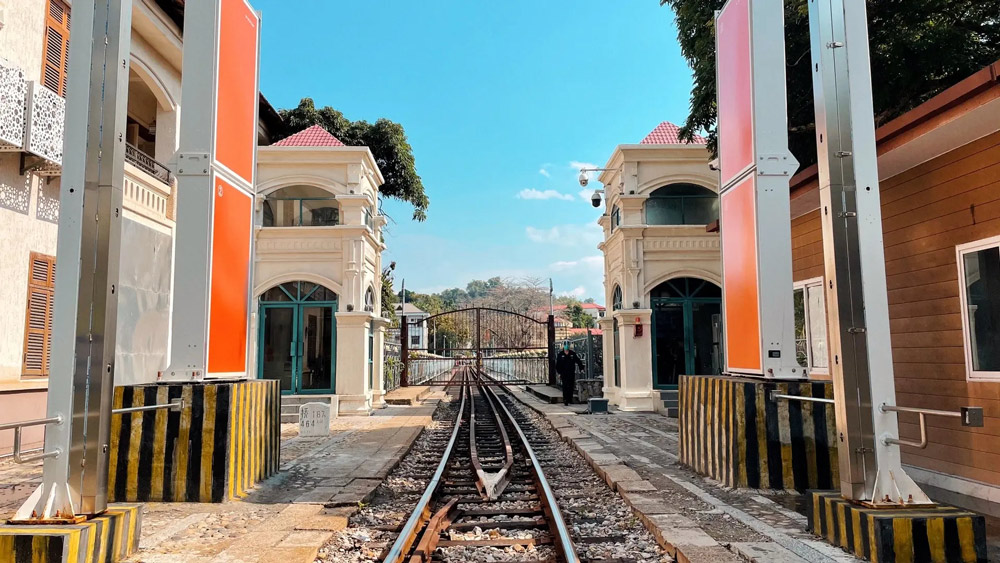
The Kunming to Sapa journey is a multi-step overland route. You cannot book one direct train, one direct flight, or one single international bus that comfortably takes you from Kunming city center to Sapa town without transfers.
That is because Sapa does not have an operational commercial airport, and it does not sit directly on an international rail line. The closest major Vietnamese city to the border is Lao Cai, while the Chinese border town opposite Lao Cai is Hekou.
Kunming is in Yunnan Province, southwest China. Hekou is on the China-Vietnam border. Across the Red River from Hekou is Lao Cai, Vietnam. Sapa is a mountain town about 30 to 45 kilometers from Lao Cai, depending on the route and transfer point.
This means your trip has three main legs
There is no practical Sapa to Kunming flight or Kunming to Sapa flight because Sapa currently has no commercial airport. If you want to fly instead of crossing overland, you would usually need to fly from Kunming to a major Vietnamese city such as Hanoi, then continue to Sapa by road or rail. But if your goal is adventure, efficiency, and regional travel, the overland border route is much more interesting.
Your journey begins with the Kunming to Hekou train.
This is the cleanest and most efficient way to travel from Kunming toward the Vietnam border. Hekou North Railway Station is the main arrival station on the Chinese side. From there, you continue to the border checkpoint area and cross into Lao Cai.
For transportation Kunming to Sapa by train, travelers can choose between faster C-trains and slower normal-speed trains. Travel China Guide states that Kunming to Hekou high-speed trains currently take around 4.5 to 5 hours, with second-class seats costing around CNY 96 and first-class seats around CNY 154. It also notes that a normal-speed train takes around 7.5 hours, with hard seats costing around CNY 54.5.
Trip.com also lists Kunming to Hekou North high-speed services, with the fastest journey shown at about 4 hours 5 minutes and several daily departures
For foreign travelers, the high-speed or C-train option is usually the best choice. It is comfortable, reliable, and fast enough to let you cross the border and reach Sapa on the same day if you start early.
A typical plan looks like this:
After arriving in Hekou, you need to reach the China-Vietnam border crossing. The crossing is done on foot over the Hekou-Lao Cai Friendship Bridge, which spans the Red River.
The basic process is:
This border crossing is well known among regional travelers. It is not an obscure jungle crossing. It is a formal international land border used by locals, traders, backpackers, and overland travelers.
However, foreign travelers must prepare properly.
The most important requirement is your Vietnam visa. Do not arrive at the border assuming you can easily solve everything on the spot.
Vietnam’s eVisa is available for many nationalities and can be valid for single or multiple entry, with Travelfish noting that the eVisa is valid for up to 90 days and accepted at commonly used air and land entry points, including land crossings to China. Still, travelers should always check the official Vietnam eVisa portal and confirm that their chosen entry port is valid before applying.
Apply before arrival, check all passport details carefully, and print or save offline copies of your approval. Border staff may ask to see documentation clearly.
Also remember the time-zone change. China uses China Standard Time, which is one hour ahead of Vietnam. When you cross from Hekou into Lao Cai, you move one hour back. This can affect train connections, pickup times, and hotel check-in planning.
Other practical tips:
Border Crossing Hub lists the Hekou-Lao Cai border as open from 07:00 to 22:00 daily, while noting that it can be crowded. Because border policies can change, always verify close to your travel date.
Once you pass Vietnamese immigration in Lao Cai, you are almost there. The final leg is the mountain road from Lao Cai to Sapa.
Lao Cai is not Sapa. This is a common mistake. Lao Cai is the border city and rail hub. Sapa is up in the mountains.
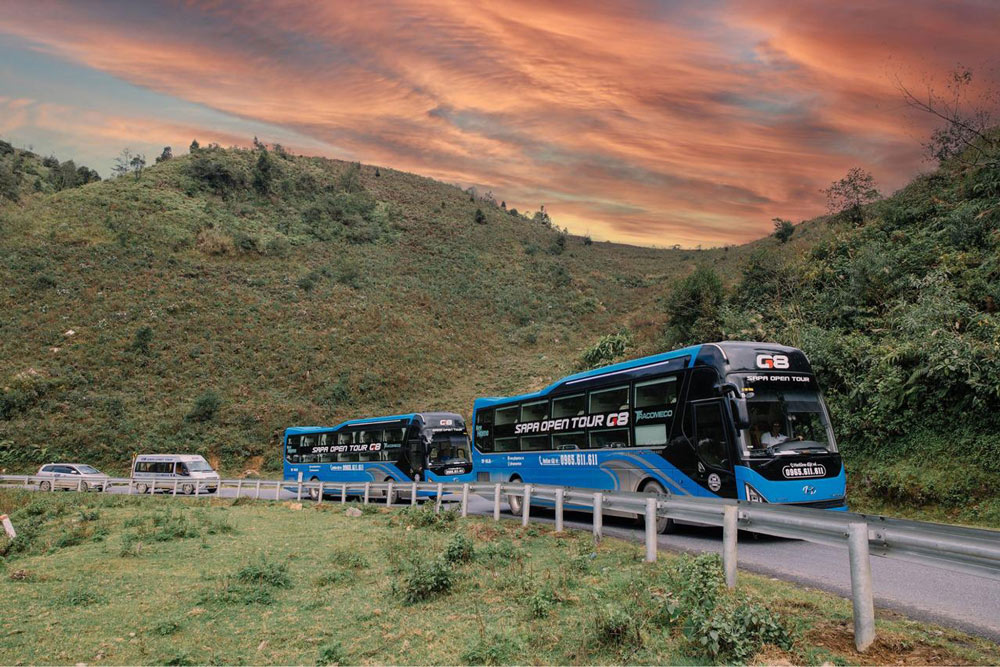
The road journey from Lao Cai to Sapa usually takes around 45 minutes to 1.5 hours, depending on vehicle type, weather, stops, and traffic. Vinpearl notes that Lao Cai Station is about 35 kilometers from Sapa, with travel times ranging from 30 minutes to 1 hour depending on transport. Vexere’s 2026 transfer guide gives a more conservative public-bus estimate of about 1 to 1.5 hours, with local bus fares around 30,000 to 40,000 VND.
Your main options are:
If you are arriving after a long travel day from China, pre-booking a private transfer is the smoothest choice. You avoid haggling, confusion, luggage stress, and waiting around after immigration.
There is no single “right” way to travel from Kunming to Sapa. The best choice depends on your budget, comfort level, language confidence, and how much stress you want to avoid at the border.
The best transportation Kunming to Sapa is the route that balances speed, comfort, and reliability:
This is the best option for most foreign travelers.
It gives you:
This option is ideal for couples, families, older travelers, first-time Vietnam visitors, and anyone carrying luggage. It is also best if you are crossing the border after several days of travel in Yunnan and want the Vietnamese side to feel easy.
A smart schedule would look like this:
This depends on train times and border conditions, but the overall rhythm works well.
The cheapest transportation Kunming to Sapa is for budget backpackers who do not mind slower travel and more independent navigation.
A budget route may look like this:
Travel China Guide lists normal-speed Kunming to Hekou hard-seat fares at around CNY 54.5, which is the low-cost rail option. On the Vietnamese side, public buses from Lao Cai to Sapa can cost roughly 30,000 to 40,000 VND, according to Vexere’s 2026 guide.
This route can be extremely affordable. But it has tradeoffs.
You may need to manage:
This route is best for experienced backpackers, not travelers who want a smooth holiday.
Choose the best route if you want comfort, safety, and smooth timing.
Choose the cheapest route if your budget is tight and you are comfortable managing transport independently in China and Vietnam.
For most travelers, the extra cost of a private Lao Cai to Sapa transfer is worth it. After crossing an international border with luggage, the last thing you want is to haggle, search for a bus, or wait in the heat or rain.
The transportation Sapa to Kunming route works almost exactly the same in reverse.
Instead of descending from China into Vietnam, you travel from Sapa down to Lao Cai, cross into Hekou, then take a train north to Kunming.
There is no train station in Sapa town. To reach China by rail, you first need to travel from Sapa to Lao Cai.
A typical reverse journey looks like this:
Timing matters more in this direction because you need to coordinate border crossing with the afternoon or evening train from Hekou to Kunming.
A good plan is to leave Sapa early in the morning. This gives you buffer time for the mountain transfer, border formalities, local transport to Hekou North Station, ticket collection, and station security.
Before traveling Sapa to Kunming, make sure you have:
Do not assume the border crossing will always take only a few minutes. It may be fast, but queues, document checks, holidays, or luggage inspection can add time.
If you are connecting to a same-day train from Hekou to Kunming, leave Sapa earlier than you think necessary.

The Kunming to Sapa route often sits inside a bigger China-Vietnam itinerary. Some travelers begin in Yunnan and continue into Vietnam. Others explore Sapa first, then cross into China for a Yunnan adventure.
Once you finish exploring Sapa, the next logical step is often Hanoi.
Hanoi is Vietnam’s capital and the main transport hub for Northern Vietnam. From Sapa, travelers can continue to Hanoi by sleeper bus, VIP limousine bus, private car, or overnight train from Lao Cai.
If you are building a larger Vietnam route, you might continue like this:
The Sapa to Hanoi route is much easier than the international border segment because it is a domestic travel corridor with frequent buses and train options. For a full comparison, use this guide to compare travel options from Hanoi to Sapa.
From Hanoi, you can continue to:
Sapa is a powerful starting point for Vietnam because it gives you mountains and culture first, then lets the rest of the country unfold southward.
If you are traveling in China before crossing into Vietnam, Yunnan is worth more than a quick stop in Kunming.
Popular extensions include:
A common question is: How much is the bullet train from Kunming to Lijiang?
Travel China Guide states that Kunming to Lijiang high-speed trains usually take around 3.5 to 5 hours, with second-class fares around CNY 166 to 199. Top China Travel gives a similar 2026 reference range, listing second-class fares from Kunming at around CNY 166 to 190, and from Kunming South at around CNY 199.
That makes Lijiang an easy detour before heading south to Vietnam. If you have time, a beautiful route could be:
This creates a rich mountain-to-mountain journey across Yunnan and Northern Vietnam.

The easiest overland route from China is to take a high-speed train from Kunming to Hekou North, cross the Hekou-Lao Cai border on foot, then use a pre-booked private minivan from Lao Cai directly to your Sapa hotel. This avoids haggling, reduces stress, and makes the mountain transfer much smoother.
Yes. Kunming is a major high-speed rail hub in southwest China. You can take high-speed trains south toward Hekou near the Vietnam border, or travel to popular Yunnan destinations such as Dali and Lijiang. Kunming to Hekou high-speed trains usually take around 4.5 to 5 hours, while Kunming to Lijiang high-speed trains take around 3.5 to 5 hours depending on service.
From the Chinese border at Lao Cai, you cannot take a train up to Sapa because Sapa does not have a train station. You must take a bus, taxi, minivan, or private transfer from Lao Cai to Sapa. If you are traveling from Hanoi, a luxury sleeper bus is usually faster and more direct than the train, while the train is more nostalgic but requires a Lao Cai to Sapa transfer.
No. There is no Sapa to Kunming flight because Sapa does not have an operational commercial airport. To travel from Sapa to Kunming, you can cross the land border via Lao Cai and Hekou, then take the train to Kunming. Alternatively, you can travel from Sapa to Hanoi and fly from Hanoi to a major Chinese city.
A second-class ticket for the Kunming to Lijiang high-speed train usually costs around CNY 166 to 199, which is approximately 25 to 35 USD depending on exchange rate and train type. The journey typically takes around 3.5 to 5 hours.
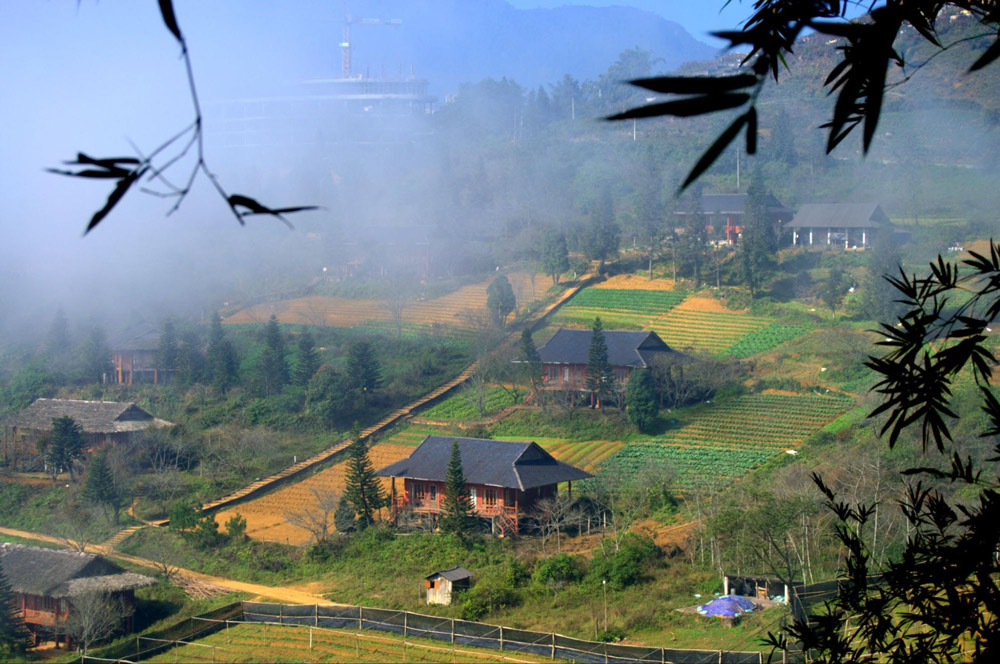
Bridging the gap between the modern rail networks of China and the wild, ethnic minority villages of Northern Vietnam is an incredible travel experience.
The route from Kunming to Sapa gives you more than a change of country. It gives you a dramatic shift in landscape, language, food, culture, and rhythm. One day you are traveling through Yunnan by train. The next, you are crossing the Red River into Vietnam and climbing toward the misty terraces of Sapa.
The journey is very achievable in 2026, but it rewards careful planning. Book the right train. Prepare your visa. Respect the time-zone change. Leave enough buffer at the border. Arrange your Lao Cai to Sapa transfer before arrival if you want a smooth finish.
For independent backpackers, the cheapest route is possible. For travelers who value comfort, a high-speed train plus private transfer is the best choice.
Do not let the final transfer become the stressful part of your cross-border adventure.
If you want to save time and effort while traveling to Vietnam, contact Asia Mystika, a trusted tour agent in Vietnam. We can arrange a private pickup from Lao Cai after your border crossing and take you straight to your Sapa eco-lodge, boutique hotel, or trekking base.
Asia Mystika can also help you build a complete Sapa journey with local guides, ethical trekking routes, village experiences, Fansipan planning, Hanoi connections, and onward Vietnam travel.
Start planning your Vietnam arrival today and Explore our customized Sapa Tour Packages.
Ready to go? Start planning your custom Sapa itinerary with us
Who we are: Learn more about the local experts at Asia Mystika
WhatsApp: (+84) 866.22.7878
Email: sales@asiamystika.com
Website: www.asiamystika.com
